
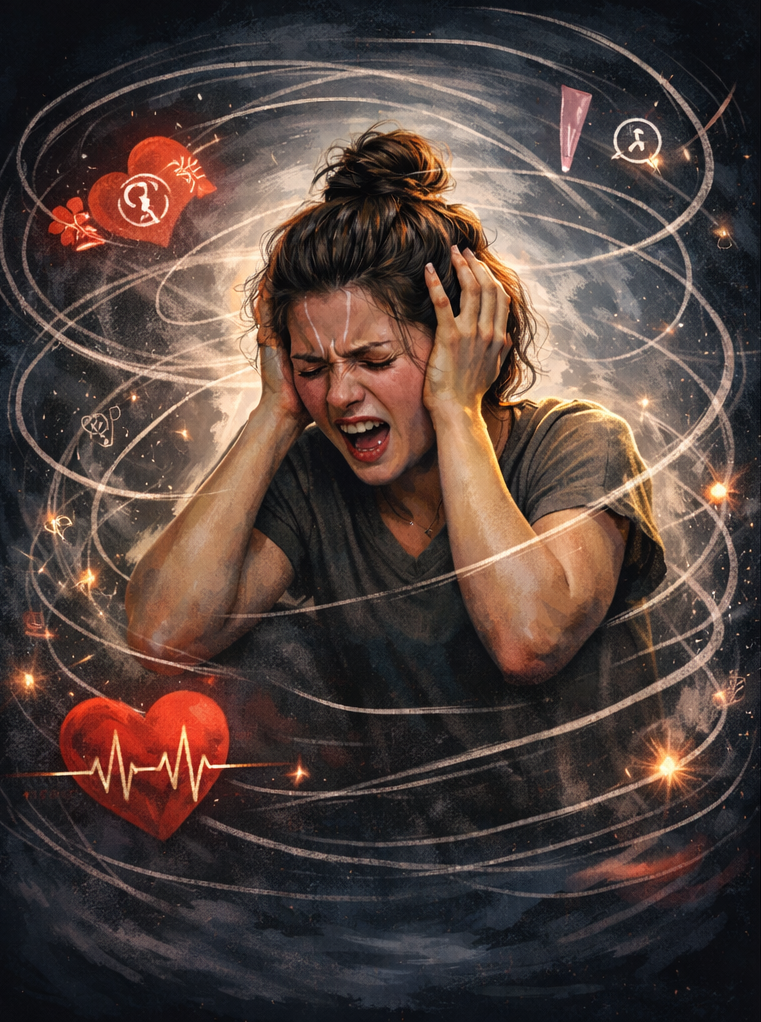
What Is a Panic Attack?
Panic attacks are more common than many people realize. At some point in life, many individuals will experience an episode of intense fear, anxiety, or overwhelming distress that seems to appear suddenly and without warning.
A panic attack occurs when the body enters a heightened state of fear or alarm. During this time, both physical and emotional symptoms can develop rapidly. For many people, the experience can feel frightening and confusing, especially if it happens unexpectedly.
Research suggests that a significant portion of the population will experience at least one panic attack in their lifetime. Some individuals may experience mild or occasional episodes, while others may struggle with more frequent or intense panic attacks.
Although panic attacks can feel overwhelming in the moment, understanding what they are and learning how to manage them can help individuals regain a sense of control.
Common Symptoms of a Panic Attack
Panic attacks often begin suddenly and typically reach their peak within minutes. The experience can involve a combination of physical sensations and emotional distress that may feel difficult to manage at the moment.
Physical Symptoms of Panic Attacks
Many of the symptoms experienced during a panic attack involve the body’s natural stress response. These may include:
- Rapid or pounding heart rate
- Shortness of breath
- Shaking or trembling
- Sweating
- Chills or hot flashes
- Nausea
- Chest discomfort
- Dizziness or lightheadedness
- Headache
These sensations can sometimes make individuals believe something serious is happening physically, which may increase fear during the episode.
Emotional and Psychological Symptoms
Alongside physical sensations, panic attacks can also involve powerful emotional experiences, including:
- Sudden and intense fear
- A sense of losing control
- Feeling detached from reality
- Overwhelming anxiety
- Fear of what might happen next
The combination of physical and emotional symptoms is what often makes panic attacks feel so overwhelming.
What Causes Panic Attacks?
The exact cause of panic attacks is not always clear. Researchers continue to study why some individuals experience them while others do not. However, several factors are believed to contribute to the development of panic attacks.
Stress and Life Experiences
Periods of high stress, difficult life events, or past traumatic experiences can increase the likelihood of panic attacks occurring. When the mind and body remain in a prolonged state of stress, the nervous system may become more reactive to perceived threats.
Biological and Psychological Factors
Genetics and underlying mental health conditions may also influence panic attacks. Conditions such as anxiety disorders, depression, or certain phobias can increase vulnerability to panic episodes.
While the causes may vary from person to person, recognizing possible triggers can help individuals better understand their experiences.
How to Calm a Panic Attack in the Moment
Although panic attacks can feel overwhelming, there are practical strategies that may help reduce the intensity of the experience and restore a sense of calm.
Practice Deep Breathing
During a panic attack, many individuals begin to hyperventilate or breathe rapidly. This can intensify feelings of fear and physical discomfort.
Practicing slow, deep breathing can help regulate the body’s stress response. Focusing on steady breathing allows the nervous system to gradually shift back toward a calmer state.
Close Your Eyes and Reduce Stimulation
Environmental stimuli can sometimes intensify panic attacks. Closing your eyes or moving to a quieter space can help reduce overwhelming sensory input and allow you to focus on calming techniques.
Use Mindfulness to Ground Yourself
Mindfulness involves bringing attention back to the present moment. During a panic attack, individuals may feel disconnected from reality or overwhelmed by anxious thoughts.
Focusing on present sensations, such as breathing or the feeling of your feet on the ground, can help reconnect you with the moment and reduce the intensity of panic.
Focus on a Physical Object
Another helpful grounding technique involves concentrating on a specific object nearby.
Notice details such as its color, shape, texture, or pattern. This practice redirects attention away from anxious thoughts and helps stabilize your focus.
Practice Muscle Relaxation
Anxiety and panic often cause muscles to tense throughout the body. Practicing progressive muscle relaxation—intentionally relaxing different muscle groups—can help release physical tension and promote calmness.
Visualize a Calm and Safe Place
Guided imagery can be another powerful technique. Imagine yourself in a peaceful environment such as a beach, forest, or quiet mountain setting.
Visualizing calming scenes can reduce anxiety and help shift the mind away from panic-related thoughts. Mindfulness techniques for anxiety, https://revivethrivecounseling.com/what-is-mindfulness-guide/
Preventing Panic Attacks Over Time
While coping techniques can help during a panic attack, certain lifestyle habits may help reduce their frequency over time.
Maintain Healthy Sleep and Nutrition
Getting adequate sleep and maintaining balanced nutrition can support overall emotional regulation and reduce vulnerability to anxiety.
Practice Regular Relaxation Techniques
Activities such as meditation, yoga, breathing exercises, and mindfulness practices can help calm the nervous system and reduce stress levels.
Limit Caffeine and Stimulants
Caffeine and other stimulants can sometimes increase anxiety and physical sensations similar to panic symptoms. Limiting intake may help reduce triggers.
When to Seek Professional Support
Panic attacks can be challenging, particularly when they occur frequently or begin to interfere with daily life.
Seeking support from a mental health professional can be an important step in understanding and managing panic attacks. Therapeutic approaches such as cognitive behavioral therapy (CBT) can help individuals develop effective coping strategies and reduce panic symptoms over time.
If you or someone you know is experiencing recurring panic attacks, I am ready to work on creating relief with you.
Here is another curious perspective to panic attacks and anxiety from an Analytical Psychology approach, https://youtu.be/w2r6WVT8lvU?si=s5iUy75Q5Fmu4Won
Thank you for taking the time to explore this topic.